Tourist Attractions
1. Chanyungco Ancestral House
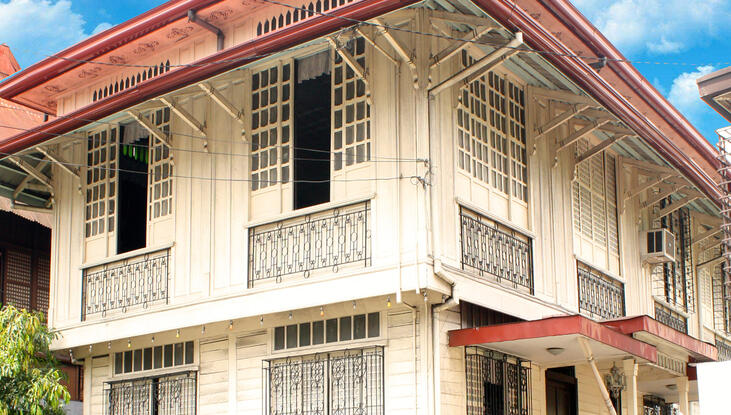
Tomas Chanyungco, one of the town's first shoe traders, and his wife, Carmen Guevara built the Chanyungco ancestral house on J.P. Rizal Street in Brgy. Sta. Elena during the late 1920's.
On the other side of the place, you can see the Our Lady of the Abandoned Church and Kapitan Moy was also beside the ancestral house. Don Laureaano "Kapitan Moy" Guevarra, the fouder and father of the shoe industry in Marikina, is a family member of Carmen Guevarra.
2. Kapitan Moy
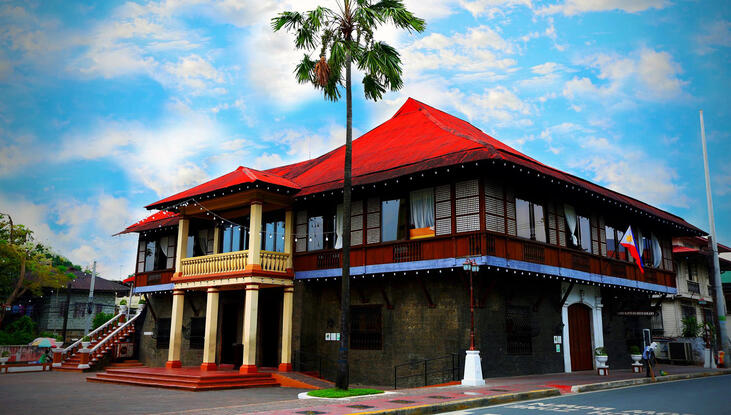
Don Laureano "Kapitan Moy" Guevarra, the founder and father of shoe industry in Marikina, lived in this house and it was built in 1780. The place is located at 323 J.P. Rizal St. Marikina City Philippines. He helped with manufacturing the first pair of shoes in Marikina during the year 1887 where he was credited and served as the capitan municipal. The place is like a Philippine style "Bahay Kubo."
The needy people stayed in this house before when Doña Teresa dela Paz Tuazon bought Kapitan Moy to serve the needs of the marginalized sector of the community. The place can be rented out today for special occasions like birthdays, weddings, debuts and such.
3. Immaculate Conception Parish
Immaculate Conception Parish is located at Bayan-Bayanan Ave., Concepcion Uno Marikina City, Philippines. In 1954, the church was a small chapel before made of six posts, galvanized iron sheet and sawali. Father Jose Mirasol of the Boys Town would hold a mass every eight in the morning every Sunday until the place got destroyed by the typhoon.
A new chapel was created on December 7, 1957 when Archbishop Rufino Cardinal santos donated a money to help them build a new one. In the year 1969-1970, the church became new and stronger which is now called the Immaculate Conception Church.
4. Our Lady of the Abandoned Parish
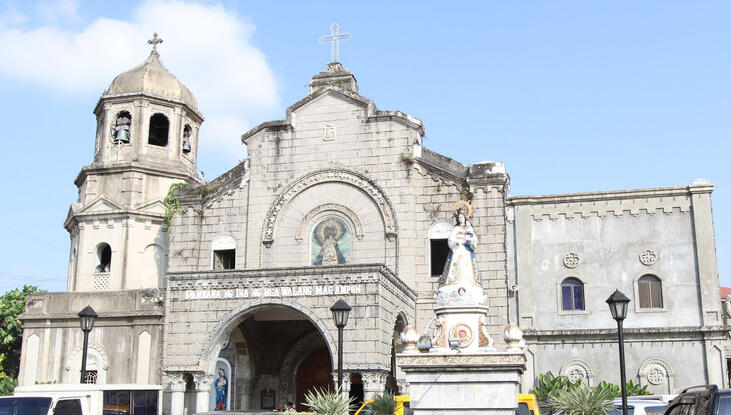
Our Lady of the Abandoned Parish is located at V. Gomez St, Marikina Marikina City. In 1972, the church became known as the Our Lady of the Abandoned Parish since during the 1960, it was known as the Our Lady of Protection. The church has one of the several images of the Virgin Mary which is known to be miraculous and it has received a papal seal.
The 328-year-old church is still maintained even though it suffered major damages during the Philippine-American War during the 1900s wherein the carillion was destroyed. Fortunately, the church was restored by Father Silvestre dela Cruz of the Archdiocese of Manila with the support of different organizations.
5. San Antonio de Padua Parish
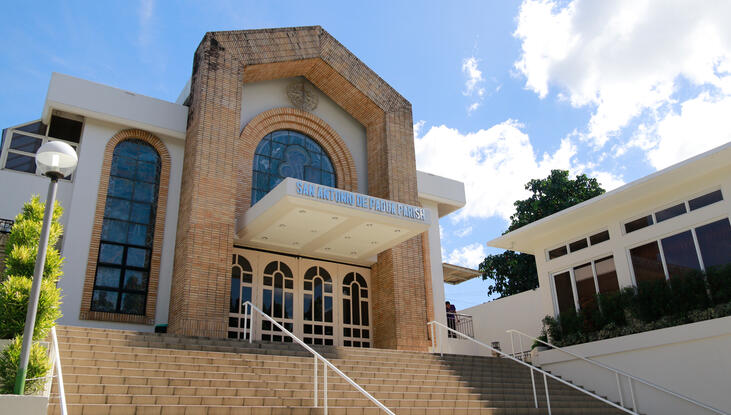
The community in Kalumpang, Marikina City in the 1990s wanted to create their own chapel that can bring them all together. With the help of Noah's Paper Mills by donating a land, the community realized that their mission were on the way.
By October 18, 2002, the community successfully achieved their mission with the help of Noah's Paper Mills, the Diocese of Antipolo and the community. The Antonio de Padua Parish has been established which is located at Marikina, Metro Manila.
6. San Isidro Labrador Parish
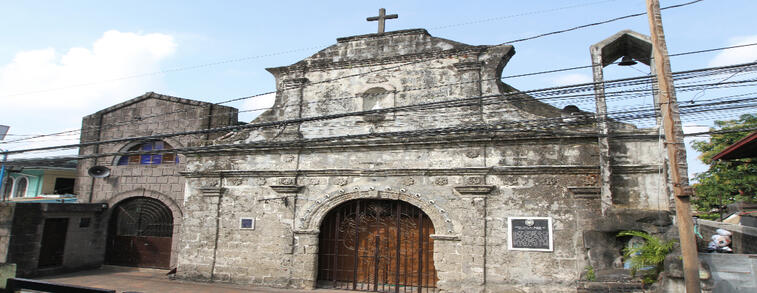
San Isidro Labrador Parish a.k.a. Jesus dela Peña Chapel is located at 62 Zamora Marikina City. In 1630, the Society of Jesus established the Parish where the first Catholic Mass in Marikina was held.
The Parish is surrounded by modern houses and can be seen in a small street. If you visit the chapel, you can see that it was designed and decorated in Romanesque style.
7. Shoe Museum
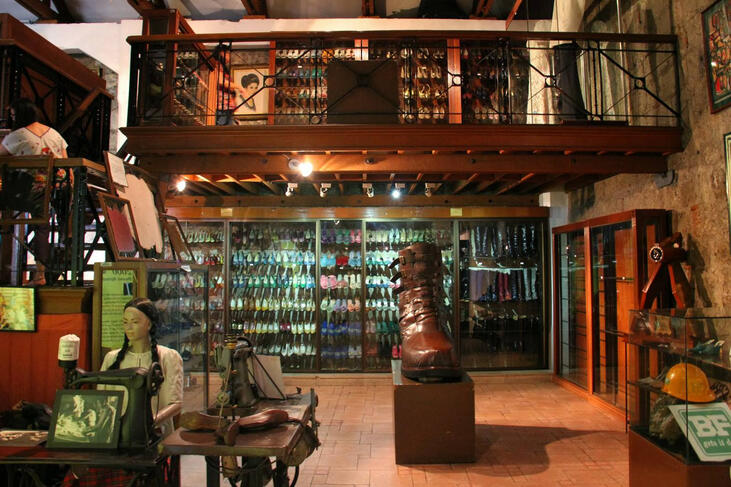
In 1988, the Marikina Shoe Museum was established during the governance of Mayor Bayani F. Fernando. The building of the museum played an important role in the country's history. The museum building was used as an arsenal during the Spanish Period and detention cell during the Filipino-American War. It was also transformed into a motor pool for the American soldiers and a rice mill was installed there by the Tuason family.
Since the Marikina City is known as the Shoe Capital of the Philippines, the museum was created to look after the historical values of the country's shoe industry. It displays the shoes of famous celebrities, government officials, ambassadors and more. Most shoe collections are from the personal wardrobe of Marcos'.
8. Zamora Ancestral House
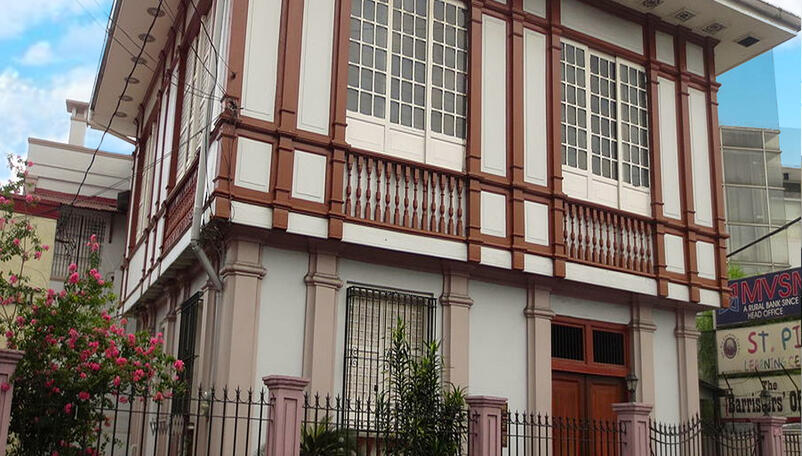
Zamora Ancestral House is located at J.P. Rizal Street, Sto. Niño Marikina. It was built in 1890 by Domingo Zamora, a Filipino nationalist and one of the founders of the Iglesia Pilipina Independiente. This house is now owned by the Santos family, Zamora's wife relatives. It was said that the floating drifting logs that came from the Marikina River from Rodriguez, Rizal were used to build the house.
The house went through a lot throughout the years. Despite the bombings and destructions during the Liberation of the American forces, it is still standing strong. Back then, people used the house as a relief center for the war victims and Japanese soldiers used this as their headquarters. This house is an example of the classical "Bahay na Bato." You can see that the exterior has carving designs and if you go inside, the ceilings are high which can let the natural ventilation flow.
9. Cityhood Park
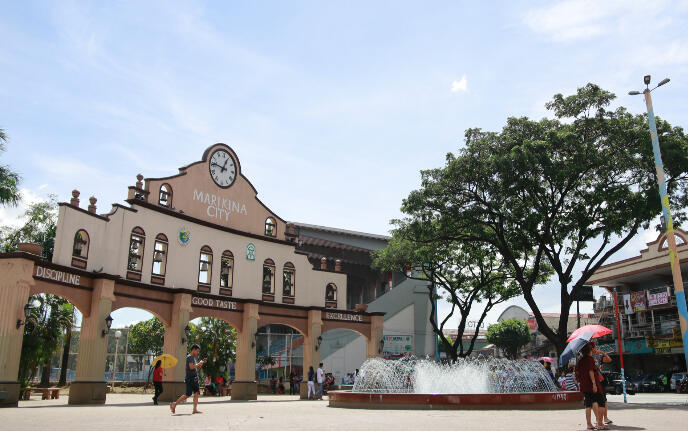
The Cityhood Park, located along Shoe Avenue in Barangay Sto. Nino, is a symbol of the Marikinos’ unfolding saga including the struggles and triumphs of their forebears, their newfound dynamism in transforming their community, and their resolve to create a stronger and brighter future.
The park is highlighted by a 12-meter concrete monument featuring a gigantic, left handed clock and 12 windows from which hang a carillon or Italian bells that chime nationalistic music, as well as a giant fountain. Its best to view the park at night, when all the colorful lights are on, giving the fountain a magical charm.
10. Freedom Park
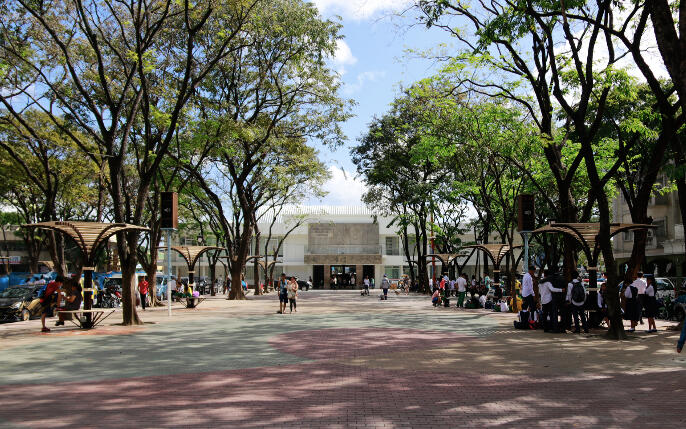
Located in front of the Marikina City Hall, the Freedom Park was named in honor of Marikina’s World War II veterans who fought for freedom against the Japanese army. Brigadier General Benjamin Molina Sr. spearheaded in placing the marker at the center of the park. The park has trees and benches and has become a favorite spot for resting and playing, especially among the millennials.